
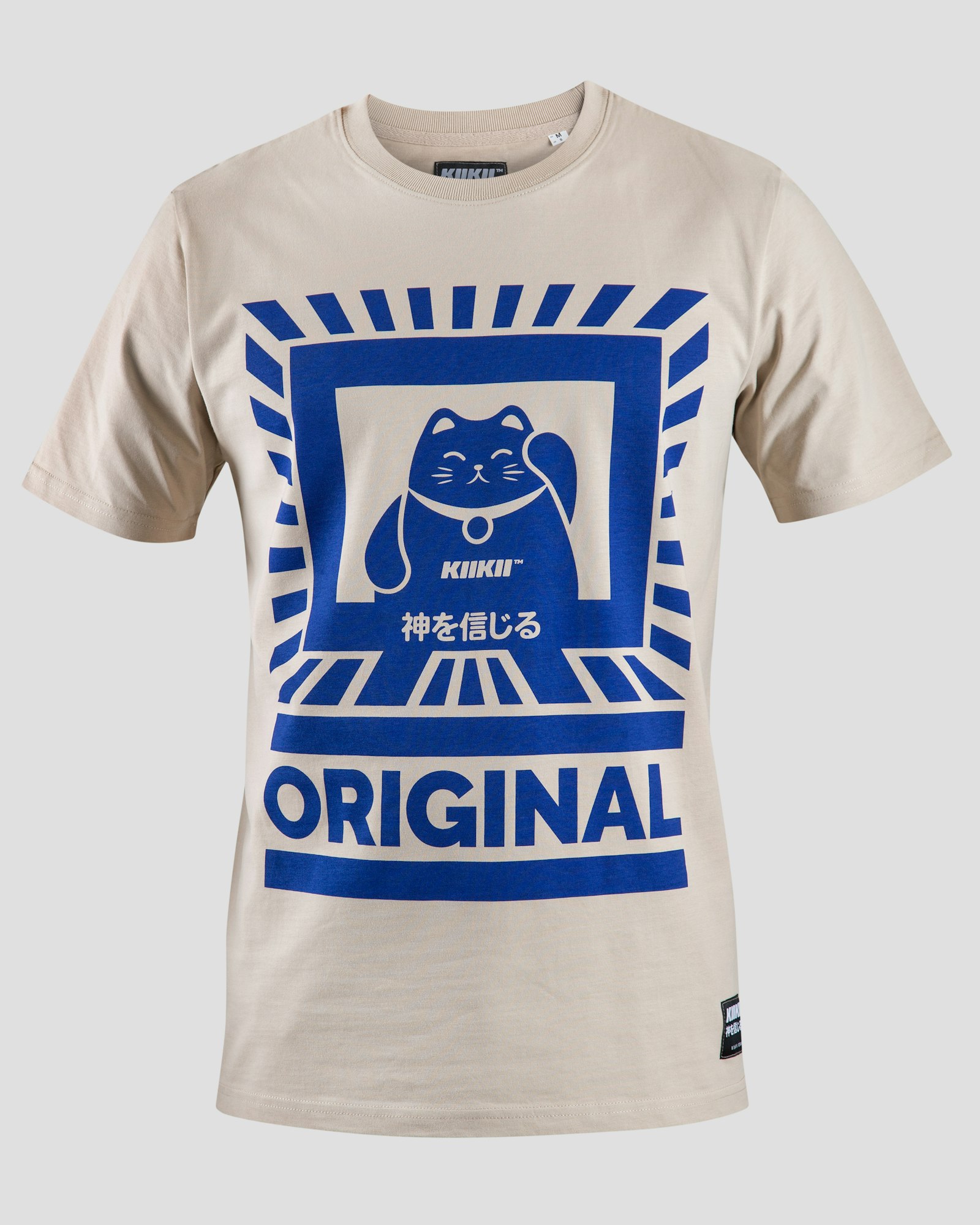
If you have scrolled past shirts on Etsy or TikTok where the logo looks like it is popping right off the fabric, you have already seen puff DTF in action. Puff DTF, short for puff direct-to-film, is one of the fastest-growing add-ons in custom apparel because it gives a flat print a raised, three-dimensional texture without switching to an entirely different printing method. In this guide, we will explain exactly what puff DTF is, how it is made, how it compares to standard DTF and puff vinyl, the heat press settings that get the best results, and how to avoid the mistakes that trip up most first-time users.
What Is Puff DTF (3D Puff Transfers)?
Puff DTF, also called a 3D puff transfer, is a direct-to-film print made with a special heat-activated foaming additive mixed into the ink or powder layer. When the transfer is pressed onto a garment, the heat causes that additive to expand, lifting the design off the fabric and giving it a soft, raised, almost embroidered look. The finished print has a matte, slightly spongy texture you can feel and see, which makes logos, lettering, and bold graphics stand out far more than a flat print ever could.
It is still DTF at its core. You are working with the same PET film, the same adhesive powder, and the same heat press equipment you already use for standard transfers. The difference is entirely in that foaming layer, which is what turns an ordinary transfer into a dimensional one.
How Puff DTF Works: The Science Behind the Raised, Foaming Ink
A standard DTF transfer is built in layers: the design is printed onto film, a hot-melt adhesive powder is applied and cured, and the finished sheet is heat pressed onto the garment. Puff DTF adds one more variable to that process. The ink or powder layer includes a foaming, or blowing, agent that stays dormant at room temperature but reacts to heat.
During pressing, that agent activates and releases tiny gas bubbles inside the print. Those bubbles expand the ink layer from within, pushing it upward rather than outward. A typical flat DTF print sits only about a millimeter above the fabric. A well-made puff DTF print can rise three millimeters or more, which is enough to create real texture without turning into something bulky or stiff. Because the reaction depends on heat and time, getting the raised effect right is mostly a matter of dialing in your press settings correctly, which we cover further down.
Puff DTF vs. Standard Flat DTF: What Is the Difference?
Both start from the same production process, so it helps to compare them side by side.
- Texture: Standard DTF lies flat and smooth against the fabric. Puff DTF sits raised above the surface with a soft, matte texture you can feel.
- Best use cases: Flat DTF is the better choice for photo-realistic designs, gradients, and all-over prints. Puff DTF shines on logos, lettering, mascots, and simple graphics where the raised effect can actually be seen.
- Perceived value: Because puff feels closer to embroidery or a premium print, shoppers are often willing to pay more for it, which makes it a useful upsell rather than a replacement for your everyday flat transfers.
- Production: Puff DTF needs a slightly different press routine, discussed below, but uses the same printer, film, and press you already own.
If you are still deciding between transfer types for a specific project, our guide on DTF vs. HTV and our breakdown of DTF gang sheets are good starting points before you add puff into the mix.
Puff DTF vs. Puff Vinyl (HTV): Which Should You Choose?
Puff DTF is often confused with puff vinyl, but they are made in completely different ways. Puff heat transfer vinyl starts as a solid colored sheet with a foam layer bonded to the back. You cut the design with a vinyl cutter, weed away the excess material by hand, and press what remains onto the garment. Because it is cut from solid color sheets, puff vinyl is limited to one flat color per layer, and multi-color designs require stacking several cut layers, which adds time and cost.
Puff DTF, on the other hand, is printed directly, so it supports full-color designs, gradients, and fine shading in a single pass with no weeding at all. It is generally faster to produce for detailed or multi-color artwork, while puff vinyl can still make sense for very simple, single-color designs where a supplier already stocks the exact foam vinyl color you need. For most small print shops and Etsy sellers running varied designs, puff DTF wins on speed and flexibility.
Best Heat Press Settings for Puff DTF (Temp, Time, Pressure)
Puff DTF is applied in the same general way as standard DTF, with one important twist: the puff layer needs a moment to expand without being crushed. Exact numbers vary by supplier, so always check the instructions that come with your specific transfers, but the general routine looks like this:
- First press: Press the transfer onto the garment at a medium-high temperature, generally in the same range used for standard DTF, with firm, even pressure for the time your supplier recommends. This step bonds the adhesive to the fabric.
- Peel the film: Follow the cold peel or hot peel instructions listed for that specific transfer, since this varies by manufacturer.
- Second press, or "puff pass": Many puff transfers call for a brief second press, often with a protective sheet on top and lighter pressure than the first press. This is the step that finishes activating the foaming agent and locks in the raised texture.
- Let it rest: Avoid stacking garments or pressing anything on top of a fresh puff print while it is still warm, since pressure applied before it fully sets can flatten the texture permanently.
If you have not already, it is worth reviewing our general DTF heat press settings guide for temperature and pressure basics before adding the puff step on top.
Design Tips That Work Best for Puff DTF Gang Sheets
Not every design benefits equally from the puff effect. Puff DTF looks best on artwork with bold, simple shapes, so keep these tips in mind when you are laying out a gang sheet:
- Use thick lines and bold shapes: Fine hairlines and delicate detail tend to blur together once the ink expands, so chunky letters, mascots, and simple icons work better than intricate line art.
- Avoid tiny text: Small fonts can lose legibility as the ink puffs up. Keep lettering large and bold, especially for anything under an inch tall.
- Skip photo-realistic gradients: Puff DTF is meant for graphic, high-contrast designs rather than smooth photographic shading, which reads better on a flat print.
- Leave a little breathing room: When nesting puff designs on a gang sheet, give each one slightly more spacing than you would for flat prints, since the raised edges need clean, easy access for pressing.
How Durable Is Puff DTF? Washing and Care
When it is pressed correctly, puff DTF holds up well to normal washing and everyday wear, and it does not simply flatten back down after one wash cycle. That said, the raised texture is more sensitive to heat and pressure than a flat print, so care habits matter a bit more.
Turn garments inside out before washing, use cold water, and avoid tossing them in a hot dryer, since high heat can soften the puff layer over time. Never iron directly on top of a puff design, and avoid ironing nearby areas with heavy pressure. These are largely the same rules that apply to any DTF print, so if you want the full rundown on washing and care, see our guide on how to wash and care for DTF printed shirts.
How Much Does Puff DTF Cost?
Because puff DTF uses the same film, printer, and press as standard DTF, with only an added foaming layer and an extra press step, most suppliers price it only modestly higher than a comparable flat transfer rather than treating it as an entirely separate product line. For a print shop or Etsy seller, that small premium is easy to pass along to customers, since a raised, embroidery-like print is generally perceived as more premium than a flat one and can support a higher retail price without a large jump in your production cost.
Common Puff DTF Problems and How to Fix Them
- The print will not puff up: This usually means the press time or temperature was too low to fully activate the foaming agent. Double-check your supplier's recommended settings and make sure your press is actually reaching the temperature it displays, since older or uncalibrated presses often run cooler than the dial suggests.
- The texture got flattened: Pressing too hard, pressing too long, or stacking garments before the print has cooled can crush the raised texture back down. Use lighter pressure on the second press and let finished garments cool undisturbed.
- Cracking or peeling at the edges: Overheating or over-pressing can dry out the adhesive layer. Stick to the recommended temperature and time rather than pushing higher heat to try to get a bigger puff effect.
- Fine details look blurry: This is usually a design problem rather than a pressing problem. Simplify small text and thin lines in your artwork before printing, since the ink expansion naturally softens fine detail.
Is Puff DTF Right for Your Print Shop or Etsy Store?
Puff DTF is not meant to replace your everyday flat transfers, but it is an easy way to offer a premium option without buying new equipment or learning an entirely new production method. It works especially well for team logos, brand names, mascots, and bold lettering, and it gives customers a tactile, embroidery-like feel at a fraction of the cost and lead time of actual embroidery. If you already offer standard DTF transfers or gang sheets, adding a puff option is a natural next step for growing your average order value.
Ready to try it on your next order? Browse our custom DTF transfers, build a sheet with our online gang sheet builder, or explore the full product catalog to see what fits your next print run.
Frequently Asked Questions
What is puff DTF?
Puff DTF is a direct-to-film transfer made with a heat-activated foaming additive that expands during pressing, giving the design a raised, three-dimensional texture instead of lying flat against the fabric.
Is puff DTF the same as puff vinyl?
No. Puff vinyl is cut from solid colored sheets with a foam backing and applied with a vinyl cutter, while puff DTF is printed directly, so it supports full-color designs and gradients without any cutting or weeding.
Does puff DTF last as long as regular DTF?
Yes, when it is pressed correctly and cared for properly. It follows the same general washing rules as standard DTF: turn garments inside out, wash cold, and avoid high heat.
Why is my puff DTF not puffing up?
The most common cause is a press temperature or time that is too low to activate the foaming agent. Confirm your press is reaching the correct temperature and follow your supplier's specific settings.
What kind of designs work best for puff DTF?
Bold shapes, thick lettering, logos, and mascots work best. Fine detail, tiny text, and photo-realistic gradients tend to lose clarity once the ink expands.
Can I put puff DTF on a gang sheet with regular flat designs?
Yes. Puff and flat designs can be printed on the same sheet, though it is worth giving puff designs a little extra spacing since the raised edges need clean access for pressing.
Puff DTF is one of the simplest upgrades you can add to an existing print shop, and it only takes a small change in your pressing routine to unlock a premium, dimensional look your customers will notice. Start your next puff DTF project at Mr Beat Print Studio today.