
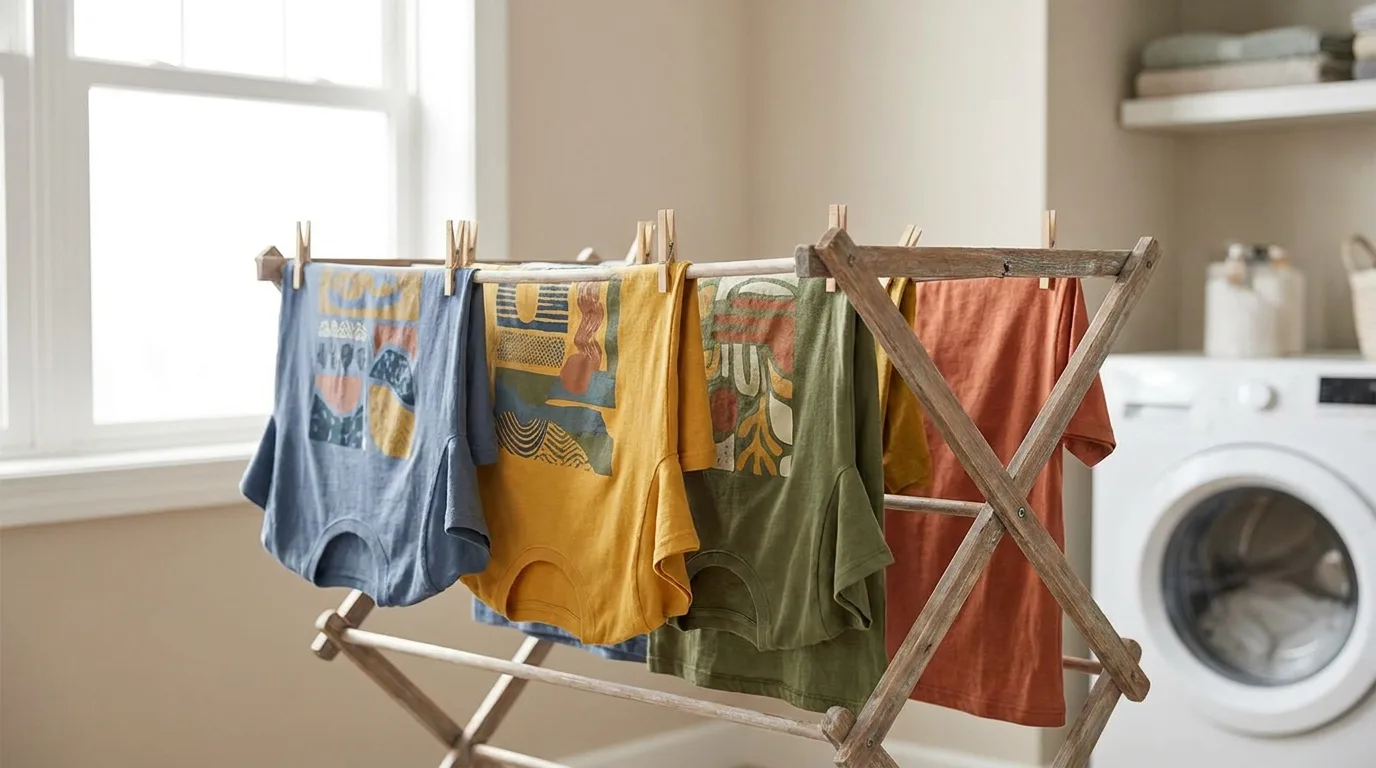
Knowing how to wash DTF printed shirts is the difference between a tee that looks crisp for years and one that cracks after a few cycles. Direct-to-film transfers are tough and stretchy, but they still need the right laundry routine to stay vibrant. This guide walks you through simple, proven care steps so your prints stay bright wash after wash. Whether you wear your own designs or sell them to customers, a little knowledge protects every print you make.
Why Proper Care Matters for DTF Prints
DTF prints sit on top of the fabric as a flexible layer of ink and adhesive. That construction gives them rich color and great stretch, but heat and friction are their main enemies. High dryer temperatures, harsh detergents, and aggressive scrubbing can all shorten a print's life. Treat the print gently and it will reward you with years of bold, crack-free wear.
Understanding the why behind each rule makes the routine stick. The adhesive that bonds your design to the fabric stays strong at normal wear temperatures, but repeated high heat slowly weakens it. Friction from rough fabrics or an overstuffed machine wears at the surface. When you picture the print as a thin, durable film rather than dye soaked into the cotton, the care steps make immediate sense.
How to Wash DTF Printed Shirts the Right Way
The safest routine is straightforward and works for nearly any garment. Follow these core steps every time:
- Wait 24 hours after pressing before the first wash so the adhesive fully cures.
- Turn the shirt inside out to shield the print from friction.
- Use cold water on a gentle cycle to protect the ink layer.
- Choose a mild detergent and skip bleach and fabric softener.
- Wash with similar colors and avoid overloading the machine.
These habits prevent the most common damage and keep your designs looking freshly pressed. If you print your own apparel, applying quality DTF transfers on printable sheets gives you a durable base that holds up to regular washing.
Drying DTF Shirts Without Damage
Drying is where many prints get ruined. High heat softens the adhesive and can cause edges to lift or crack. Whenever possible, hang or lay your shirt flat to air dry. If you must use a dryer, choose the lowest heat or air-fluff setting and remove the garment while it is still slightly damp. Never iron directly over a DTF print, since direct contact with a hot plate can scorch or melt it.
If you need to press it
To smooth wrinkles, turn the shirt inside out and iron the back of the print, or place a thin cloth or parchment sheet between the iron and the design. A quick, low-heat pass is all you need. Steamers are an even safer option, since they relax wrinkles without ever touching the print surface with direct heat.
Common Mistakes That Ruin DTF Prints
A few avoidable errors account for most disappointment. Washing in hot water, tumble drying on high, using fabric softener, and ironing the print directly are the usual culprits. Stacking heavy items on a damp print or wringing the garment hard can also stress the design. Slow down and treat the print like the centerpiece of the shirt, because it is.
Fabric softener deserves a special mention, since it is the sneakiest offender. It coats fibers with a thin residue that can work under the edges of a print over time, weakening the bond. Skipping it entirely costs nothing and noticeably extends the life of your designs. The same goes for bleach and any stain remover with strong solvents, which can dull or lift the ink.
Building a Long-Term Care Routine
Consistency is what keeps a print looking new across dozens of washes. Set a simple rhythm of cold water, inside out, gentle cycle, and air drying, and your shirts will hold their color far longer than you might expect. Store folded tees flat or loosely rolled rather than crammed onto a hanger that stretches the shoulders and pulls at the print.
If a print ever feels slightly stiff after washing, that is normal and usually relaxes with wear. Resist the urge to scrub or scrape at the design to soften it. With gentle, regular care, a quality DTF print will outlast the trend it was made for and keep looking sharp season after season.
How Fabric Choice Affects Print Longevity
The blank underneath your design plays a bigger role in care than most people realize. Stable, tightly woven cotton and quality cotton-poly blends hold a print flat and resist the kind of fiber movement that stresses a transfer. Loose, heavily textured, or low-grade fabrics flex more, which can shorten the life of even a perfectly pressed design.
Color and weight matter too. Heavier garments tend to survive the wash cycle with less agitation against the print, and pre-shrunk fabrics avoid the pull that happens when a shirt shrinks around a fixed design. Starting with a dependable blank gives your care routine the best possible foundation to work with, so the effort you put into washing actually pays off.
Care Tips for Resellers and Print Shops
If you sell DTF apparel, care guidance protects both your customers and your reviews. Include a simple printed card or insert with every order that lists the wash-cold, dry-low, no-iron basics. Educated customers get longer-lasting shirts and blame the print less when something goes wrong. Starting with quality blanks helps too, so consider durable options like the unisex classic tee that hold transfers cleanly. For larger jobs, made-to-size DTF transfer sheets keep your production consistent.
Frequently Asked Questions
How long should I wait before washing a DTF shirt?
Wait at least 24 hours after pressing. This gives the adhesive time to fully bond with the fabric so the print resists lifting and cracking.
Can I machine wash DTF printed shirts?
Yes. Turn the shirt inside out, use cold water on a gentle cycle, and choose a mild detergent. Avoid bleach and fabric softener for the best longevity.
Why is my DTF print cracking?
Cracking usually comes from high heat in the wash or dryer, ironing directly on the print, or washing before the adhesive cured. Switching to cold washes and low-heat drying typically prevents it.
Is air drying better than the dryer for DTF shirts?
Air drying is gentler and the safest option. If you use a dryer, keep it on low or air-fluff and remove the shirt while slightly damp.
Can I use fabric softener on DTF shirts?
It is best to skip it. Fabric softener leaves a residue that can work under the print edges over time and weaken the adhesive bond, leading to early peeling.
How many washes will a DTF print last?
With proper care, a quality DTF print can survive fifty or more washes while staying bright. Cold water, gentle cycles, and air drying are what stretch that lifespan the most.
Keep your prints looking their best with quality blanks and DTF transfers from Mr Beat Print Studio. Shop our apparel and transfer sheets to start printing shirts built to last.