
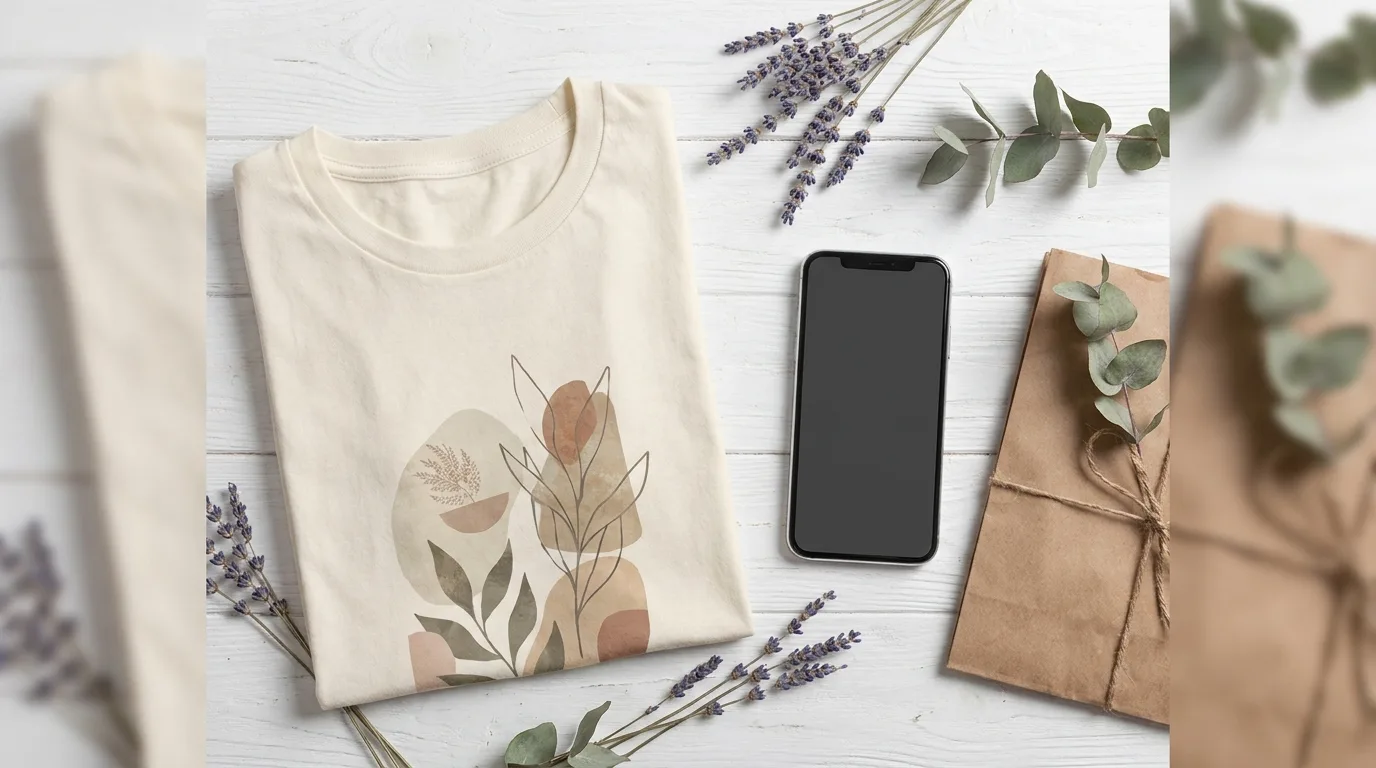
If you want to sell custom shirts on Etsy, you are tapping into a marketplace full of buyers who actively search for unique, personalized apparel. Etsy rewards sellers who nail their listings, photos, and customer experience. This guide walks you through setting up your shop and turning browsers into loyal, repeat customers, with the practical steps that help new shops gain traction in a crowded marketplace.
Set Up Your Etsy Shop the Right Way
A complete, professional shop builds instant trust. Before you list a single product, fill out every detail so shoppers and Etsy's search both take you seriously.
- Shop name and logo: short, memorable, and on-brand.
- About section: share your story and what makes your shirts special.
- Policies: clear shipping, returns, and processing times.
- Payment and shipping profiles: set up before launch to avoid delays.
Etsy tends to favor shops that look active and complete, so add a banner, a profile photo, and at least a handful of listings before you start driving traffic. A half-finished shop signals risk to cautious buyers, while a polished one earns the benefit of the doubt on a first purchase.
Choose Quality Blanks and Printing
On Etsy, reviews are everything, and quality starts with your blank. A soft, durable shirt that prints cleanly leads to five-star reviews and repeat buyers. Many Etsy sellers press DTF transfers because they deliver vivid, full-color designs on cotton and blends with a beginner-friendly workflow. Start with a flattering unisex classic tee and ready-to-press DTF transfers by size to keep quality high and costs predictable. Always wash-test your blanks first, because a print that cracks or a shirt that shrinks will undo all your listing work with a single bad review.
Write Listings That Rank in Etsy Search
Etsy is a search engine, so your titles and tags decide whether buyers ever find you. Use the exact phrases shoppers type, and fill all thirteen tags. Lead your title with the most important keywords, then add details like fit, occasion, and color.
- Title: include the product, niche, and a key descriptor.
- Tags: use all thirteen with long-tail phrases buyers search.
- Description: cover sizing, materials, care, and personalization options.
- Attributes: fill every field so filters surface your listing.
Think in long-tail phrases rather than single words. A shopper searching for a very specific shirt is far closer to buying than someone typing a broad term, and those specific searches face less competition, giving a new shop a real chance to rank.
Take Photos That Sell
Great photos do the heavy lifting on Etsy. Use bright, natural light and show the shirt on a model, flat-lay, and close up so buyers can see the print detail. Include a sizing graphic and a lifestyle shot that helps shoppers imagine wearing it. Clean, consistent images make your whole shop look more professional and trustworthy. Your first image is the one that appears in search results, so make it crisp, well-lit, and instantly clear about what you are selling.
Price for Profit and Offer Personalization
Factor in your blank, transfer, labor, packaging, Etsy fees, and shipping, then price for a healthy margin. Personalization is a major Etsy advantage, so offer names, dates, or custom text for a small upcharge. Many buyers happily pay more for a one-of-a-kind shirt, which lifts both your margin and your perceived value above generic competitors. Be sure to account for Etsy's listing and transaction fees in your math so the final number still leaves you a comfortable profit.
Promote Your Shop Beyond Etsy Search
Relying on Etsy search alone limits your growth. Drive outside traffic with short videos of your shirts and personalization process, pin lifestyle photos to social boards, and share new designs with an email list. You can also test Etsy's built-in ads on your best-converting listings to give them an early boost. Bringing in traffic from multiple sources sends positive signals to Etsy and reduces your dependence on a single, ever-changing algorithm. The more places your designs show up, the more chances buyers have to discover and trust your shop.
Earn Reviews and Repeat Customers
Reviews fuel Etsy's algorithm and your reputation. Ship quickly, package neatly, and include a thank-you note that invites feedback. Follow up politely after delivery and resolve any issue fast and generously. For more listing and seasonal selling tips, explore the Mr Beat Print Studio blog and keep refining your shop over time.
Plan for Personalization and Seasonal Demand
Personalized shirts are one of Etsy's biggest opportunities, but they require a clear workflow so you do not get buried in custom requests. Set up a personalization field on each listing, spell out exactly what information you need, and state how the finished design will look. A tidy process keeps custom orders fast and reduces back-and-forth messages that slow you down. Seasonal demand is the other lever to pull, because Etsy shoppers buy heavily around holidays, birthdays, weddings, and back-to-school. Plan your designs and listings weeks ahead of each season so your products are indexed and ready when search traffic spikes. Keeping a calendar of upcoming occasions, and pairing each with a focused collection of designs, lets you ride those predictable waves of demand instead of scrambling to catch up after they arrive.
Frequently Asked Questions
Do I need a heat press to sell custom shirts on Etsy?
No. You can use print on demand and skip equipment, or press DTF transfers yourself for better margins and control. Many top Etsy sellers press their own shirts at home.
How do I get my Etsy shirt listings found?
Use keyword-rich titles, fill all thirteen tags with long-tail phrases buyers search, and complete every attribute. Strong photos and steady sales also help your listings rank.
How much should I charge for custom shirts on Etsy?
Cover your blank, print, labor, packaging, and Etsy fees, then add a margin of 40 to 60 percent. Personalized shirts can command higher prices than generic designs.
How fast should I ship Etsy orders?
Set realistic processing times and ship as quickly as you can. Fast, well-packaged shipping earns better reviews and improves your standing in Etsy's search results.
How many listings should I start with?
Launch with at least ten to twenty focused listings so your shop looks established and gives Etsy more chances to surface you in search. Add new designs regularly to stay active.
Should I run Etsy ads as a new seller?
Start with a small daily budget on your best listings once you have a few reviews. Use the data to identify winners, then scale spend on the products that convert profitably.
Stock your Etsy shop with premium blanks and ready-to-press transfers from Mr Beat Print Studio and start earning the five-star reviews that grow your sales.