
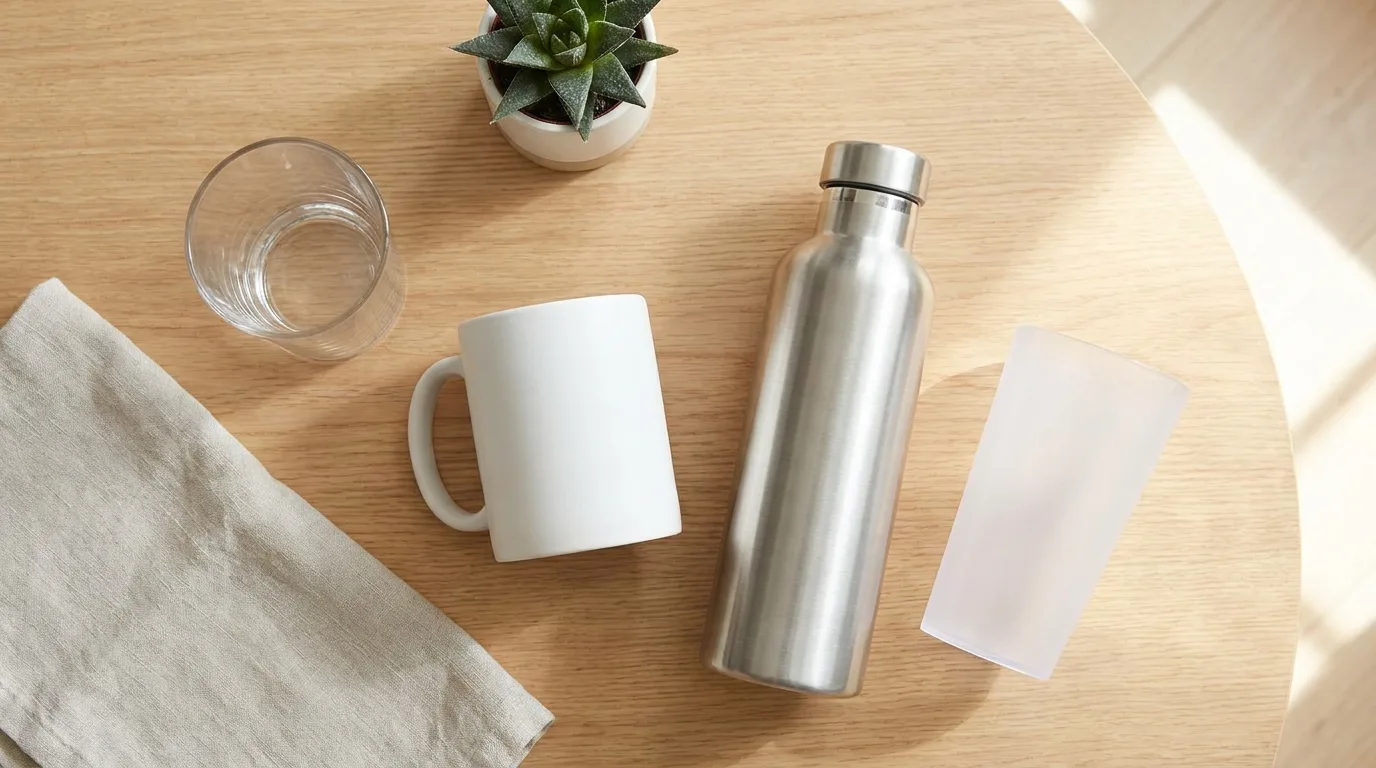
Choosing the right UV DTF surfaces is the single biggest factor in whether your decals last for years or peel within days. UV DTF transfers bond beautifully to hard, smooth materials, but not every surface is a good match. This guide breaks down exactly where these decals thrive, what to avoid, and how to prep each surface. Whether you are decorating a single gift or producing dozens of branded tumblers for a shop, knowing how different materials interact with the adhesive will save you wasted decals and disappointed customers.
What Makes a Good UV DTF Surface
UV DTF adhesive is engineered to grip non-porous, smooth, and rigid materials. The flatter and cleaner the surface, the stronger the bond. Porous, flexible, or oily materials interfere with that grip, which is why surface choice matters so much.
- Non-porous: The surface should not absorb liquid or air
- Smooth: Heavy texture reduces contact area for the adhesive
- Rigid: Hard surfaces hold the decal without flexing it loose
- Clean: Free of oils, dust, wax, and residue
The Science Behind the Bond
Understanding why some surfaces work helps you predict results before you ever peel a decal. UV DTF adhesive forms a mechanical and chemical grip that depends on maximum contact between the sticky layer and the material. On a smooth, rigid surface, nearly every bit of adhesive touches the item, creating a strong, even hold. On a porous or textured surface, microscopic gaps and pits leave portions of the adhesive touching nothing but air, which dramatically weakens the bond. Flexibility is the other enemy, because a surface that bends or stretches constantly tugs at the decal edges until they release. Keep those two principles in mind and most surface questions answer themselves.
Best UV DTF Surfaces for Lasting Results
These materials are the gold standard for UV DTF decals. If your project uses one of these, you are set up for a durable, professional finish.
- Glass: Tumblers, jars, candle vessels, and drinking glasses
- Stainless steel: Insulated tumblers, water bottles, and travel mugs
- Ceramic: Coffee mugs, tiles, and decorative pottery
- Acrylic and hard plastic: Tumblers, organizers, and signage
- Metal: Tins, lockers, and powder-coated items
- Sealed wood: Finished or coated wooden surfaces
For a reliable starting project, try our 11oz ceramic coffee mug, which offers the smooth glaze UV DTF loves.
Surfaces to Approach with Caution
Some surfaces can work but need extra prep or come with trade-offs. Test a small decal first before committing to a full batch.
Raw or unsealed wood is porous and may need a clear sealer before application. Textured or matte powder coatings reduce adhesion, so burnish extra firmly. Heavily curved or narrow surfaces require you to apply in sections so the decal conforms without lifting. Silicone and soft rubber generally do not hold UV DTF well at all. Frosted or sandblasted glass is another tricky case, since the rough finish offers far less contact area than smooth glass and may need a longer cure time.
Surfaces to Avoid
A few materials simply are not suited for UV DTF, and using them will lead to peeling and frustration. Save yourself the wasted decals by steering clear of these.
- Fabric and apparel: Use heat-applied DTF transfers instead
- Flexible or stretchy plastics: The decal cracks as the material bends
- Greasy or waxy surfaces: Adhesive cannot grip oil films
- Very rough or porous stone: Too little smooth contact area
If you are working with shirts and hoodies, our DTF transfers by size are the right tool for fabric, while UV DTF stays reserved for hard goods.
How to Prep Any Surface for UV DTF
No matter which material you choose, proper prep makes the difference. Wipe the entire surface with rubbing alcohol and let it dry completely before applying. This strips away oils from handling and any manufacturing residue. For curved items, plan your placement and apply slowly, burnishing as you wrap around the curve. After application, allow about 24 hours of cure time before washing or heavy handling. If a product has a slick factory coating or release agent from manufacturing, a thorough alcohol wipe is especially important, since that invisible film is a common hidden cause of poor adhesion.
Matching the Surface to the Project
Once you know which materials bond well, you can plan products around them with confidence. For everyday drinkware, glass and stainless steel give you a durable, dishwasher-adjacent finish that customers expect to last. For home decor, sealed ceramic tiles and finished wood signs offer broad flat areas that show off detailed artwork. For tech accessories, the hard shells of phone cases and laptop lids take decals cleanly, though you should avoid the flexible silicone variety. Thinking about the end use up front helps you steer clients toward the right blank and avoids the heartbreak of a beautiful decal applied to the wrong material.
Testing a New Surface Before You Commit
Whenever you are unsure about a material, a quick test decal is the smartest investment you can make. Apply a small, inexpensive design to a sample of the exact item you plan to sell, prep it exactly as you would a real order, and let it cure for a full 24 hours. Then put it through the wear it will actually face. For drinkware, run it under water, handle it daily, and try a gentle hand wash. For decor, rub the edge with a fingertip to confirm it stays put. If the edges hold and the surface stays smooth after a few days of normal use, you can scale up with confidence. This habit costs only a single decal but saves you from shipping dozens of items that might fail in a customer's hands, which protects both your materials budget and your reviews.
Frequently Asked Questions
Can UV DTF go on plastic?
Yes, hard and smooth plastics like acrylic tumblers work well. Avoid flexible or stretchy plastics, since bending can crack the decal and break the bond.
Will UV DTF stick to glass tumblers?
Absolutely. Glass is one of the best UV DTF surfaces. Just clean it with alcohol first and burnish firmly for a long-lasting, water-resistant result.
Can I use UV DTF on wood?
Sealed or finished wood works well. Raw, unsealed wood is porous and should be coated with a clear sealer first so the adhesive has a smooth surface to grip.
Why is my UV DTF decal peeling?
The most common causes are a porous or oily surface, skipping the alcohol prep, light burnishing pressure, or not allowing cure time. Address those and adhesion improves dramatically.
Does UV DTF work on powder-coated tumblers?
It can, but matte powder coatings are slightly textured, so burnish extra firmly and allow the full cure time. Test one decal first to confirm the finish holds before running a batch.
Is glass or stainless steel the better surface?
Both are excellent. Glass offers a perfectly smooth, glossy bond, while stainless steel is more durable against drops. Choose based on the product and your customer rather than adhesion, since both grip beautifully when prepped correctly.
Pick the perfect surface and pair it with quality decals from Mr Beat Print Studio for custom projects that look sharp and last for years.