
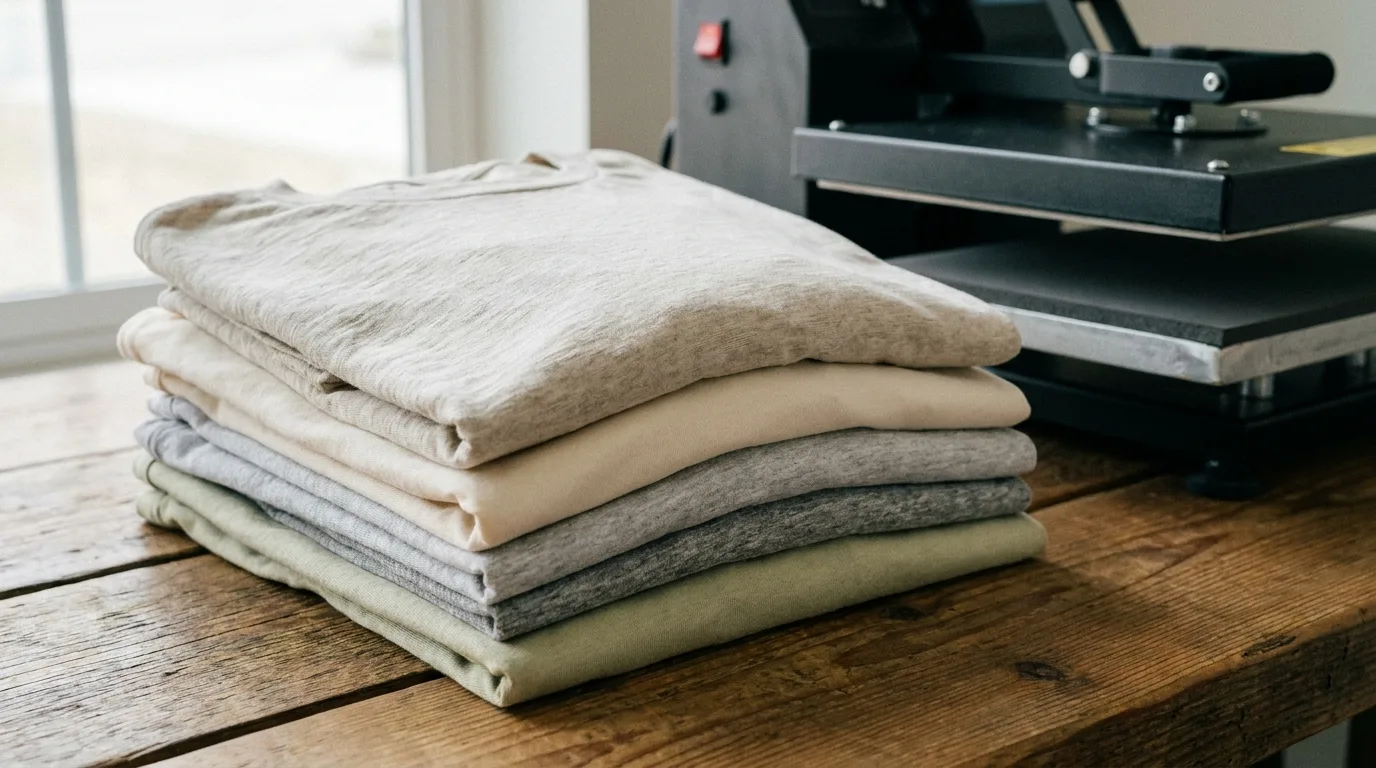
One of the biggest perks of direct-to-film printing is versatility, but knowing the best fabrics for DTF transfers still makes a huge difference in your final results. The right material helps colors pop, keeps the design from cracking, and ensures your customers come back for more. In this guide, we break down which fabrics work beautifully with DTF, which ones need a little extra care, and how to choose blanks that protect your reputation order after order.
Why Fabric Choice Matters for DTF Transfers
DTF transfers bond to fabric using a hot-melt adhesive powder activated by heat and pressure. Because the design sits on top of the fibers, the surface texture, fiber content, and heat tolerance of your fabric all affect adhesion and longevity. Pick the wrong material and you risk peeling, dull colors, or scorching. Pick the right one and your prints can survive dozens of wash cycles looking brand new.
The good news is that DTF is one of the most forgiving printing methods available, working across far more materials than older techniques like screen printing or sublimation. Sublimation, for example, only bonds to high-polyester light-colored fabrics, while screen printing requires separate screens for every color. DTF skips both limitations, which is why it has become the go-to method for small shops and print-on-demand sellers who handle a wide mix of garments every week.
The Best Fabrics for DTF Transfers
If you want reliable, vibrant results every time, start with these proven winners. They tolerate heat well and grip the adhesive firmly.
- 100% cotton: The gold standard. Cotton holds DTF prints crisply and washes beautifully, making it ideal for tees and tote bags.
- Cotton/polyester blends (50/50 or 65/35): Excellent durability and softness with minimal shrinkage, a favorite for hoodies and sweatshirts.
- 100% polyester: Works great as long as you lower your press temperature to avoid scorching delicate synthetic fibers.
- Tri-blends: Cotton, polyester, and rayon combine for a soft hand feel and a vintage look that pairs nicely with DTF.
- Canvas and denim: Heavier woven fabrics provide a sturdy base for bold, long-lasting designs.
For ready-to-print blanks, browse our full catalog of apparel and printing products to match the right fabric to your project. A simple rule of thumb is that the smoother and flatter the surface, the cleaner your transfer will sit, which is why a tightly woven ringspun cotton outperforms a loose, fuzzy knit nearly every time.
Understanding Fabric Weight and Weave
Fiber content gets most of the attention, but weight and weave matter just as much. A heavyweight 6-ounce tee provides a firm, stable surface that helps the adhesive press evenly, while an ultra-thin fashion tee can show press marks or warp under heat. Tightly woven fabrics give the adhesive a smooth platform to grip, whereas loose or textured weaves like waffle knits or heavy ribbing create tiny gaps that can weaken the bond. When you are evaluating a new blank, run your hand across the print area. If it feels smooth, flat, and dense, it will almost always take a transfer well. If it feels bumpy, slubby, or stretchy, plan to test first and possibly adjust your pressure.
Fabrics That Need Extra Care
Some materials can still take a DTF transfer, but they require adjusted settings or a test press first. Nylon, for example, is heat-sensitive and can melt at standard temperatures, so use a lower temp and shorter dwell time. Performance and athletic fabrics often have moisture-wicking coatings that resist adhesion, so always run a sample. Waterproof or treated materials may repel the adhesive entirely, and some fleece linings trap moisture that can interfere with the bond.
Fabrics to Approach With Caution
- Nylon: Use low heat and a protective sheet to prevent melting.
- Spandex/Lycra: Stretchy fibers can crack designs over time unless you use stretch-friendly film.
- Acrylic knits: Heat-sensitive, so a lower temperature and cover sheet are essential.
- Treated or waterproof fabrics: Coatings can block adhesion entirely, so always test before committing.
How Fabric Color Affects DTF Results
DTF transfers include a white ink underbase, which means your designs look vivid on both light and dark fabrics. This is a major advantage over heat transfer vinyl layering or sublimation, which struggles on dark or colored garments. Whether you print on a white tee or a charcoal hoodie, the white base keeps colors true and opaque. Still, very dark fabrics benefit from a slightly heavier adhesive layer to maximize opacity and wash durability. Bright neon and heathered fabrics can occasionally bleed dye under high heat, so if you work with vivid colors, lowering your temperature slightly and using a cooler peel can prevent ghosting around the edges of your design.
Common Fabric Mistakes That Ruin DTF Prints
Even great fabric fails if you skip the basics. The most frequent mistake beginners make is not pre-pressing the garment, which leaves trapped moisture and wrinkles that sabotage the bond. Another is choosing a blank purely on price, only to discover a thin or loosely woven shirt that scorches or shows press lines. Mixing fabric types within one order without adjusting settings is another trap, since a polyester hoodie and a cotton tee need different temperatures. Finally, ignoring the manufacturer care label can lead to washing recommendations that strip the print early. Matching the fabric, the settings, and the aftercare instructions is what keeps customers happy.
Choosing the Right Blanks for Your DTF Business
Matching your transfer to a quality blank is half the battle. For everyday orders, a soft cotton tee delivers reliable results and customer satisfaction. Our unisex classic tee is a versatile, print-ready favorite, while the blank unisex hoodie for printing handles bold seasonal designs with ease. For eco-friendly gifts and merch, the cotton canvas tote bag takes DTF beautifully and offers tons of branding real estate.
When you pair the best fabrics for DTF transfers with high-quality film, you set yourself up for consistent, professional results that keep customers loyal. Buying blanks in a few core colors and a couple of trusted fabric types also simplifies your workflow, because you can lock in proven press settings instead of recalibrating for every new item. For more printing tips and tutorials, explore the Mr Beat Print Studio blog.
Frequently Asked Questions
Can you apply DTF transfers to 100% polyester?
Yes. Polyester works well with DTF as long as you reduce the heat press temperature to around 280 to 300 degrees Fahrenheit to avoid scorching, and always test a scrap piece first.
Are DTF transfers better on cotton or polyester?
Both perform well, but 100% cotton is the easiest and most forgiving choice. Polyester and blends are great too, just adjust your temperature and pressure to suit the synthetic fibers.
Do DTF transfers work on dark fabrics?
Absolutely. DTF prints include a white ink underbase, so colors stay vibrant and opaque on dark or colored garments without any extra steps.
What fabric should beginners start with?
Start with 100% cotton or a cotton-poly blend. These fabrics tolerate standard settings, grip the adhesive firmly, and produce reliable, wash-durable results.
Does fabric weight affect DTF print quality?
It does. Heavier, tightly woven fabrics give the adhesive a flat, stable surface and resist press marks, while very thin or stretchy fabrics may warp or weaken the bond. When possible, choose mid to heavyweight blanks for the most consistent results.
How should customers wash garments with DTF prints?
Advise washing inside out in cold water, avoiding harsh detergents, and tumble drying on low or hanging to dry. Skipping high heat in the dryer is the single best way to keep a DTF print crack-free for years.
Ready to put these tips to work? Shop quality blanks and custom DTF transfers at Mr Beat Print Studio and start printing designs that last.